
Coconut Oil for Cradle Cap: Does It Actually Work?
It's one of the most commonly suggested home remedies — here's an honest look at what it actually does, and what the evidence really says.
Jump to a section
What People Claim It Does
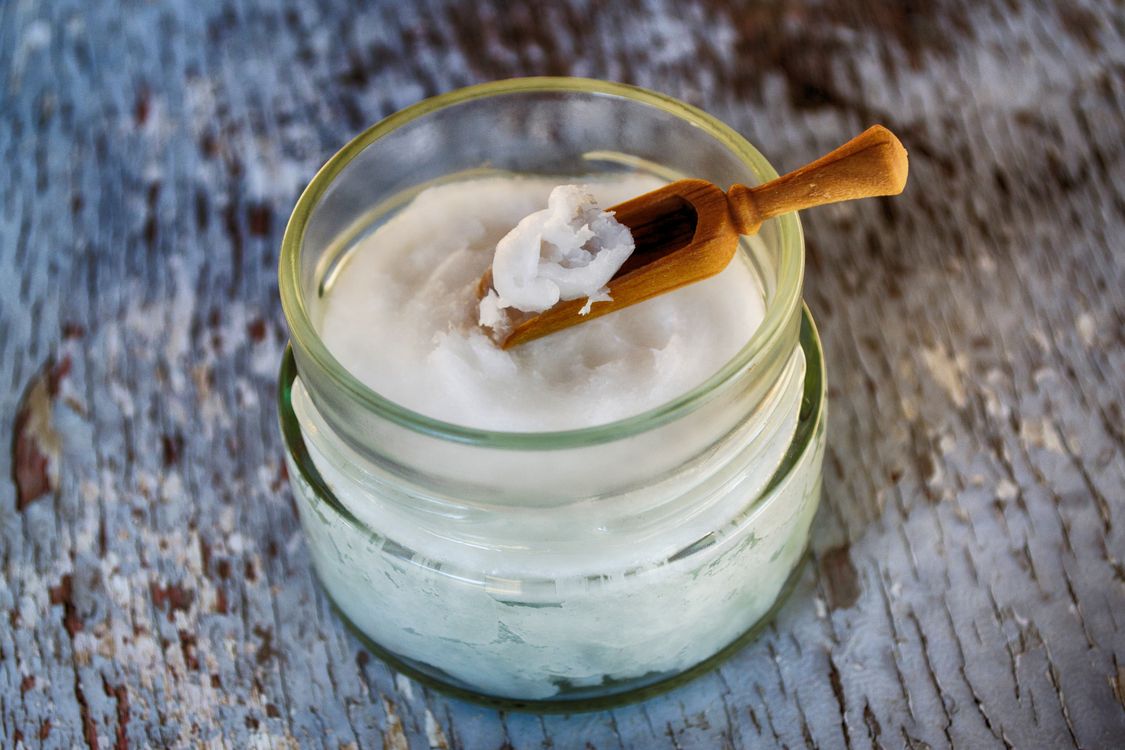
Coconut oil is one of the most frequently recommended home remedies for cradle cap, and the reasoning usually goes like this: it contains lauric acid, a fatty acid with some documented antimicrobial properties in laboratory settings, and it's rich in moisturizing fats that can soften dry, scaly skin. Based on this, many parenting blogs and skincare brands claim it can help "treat" or even "cure" cradle cap faster than other options.
What the Evidence Actually Says
Here's the honest picture: there's no dedicated clinical study specifically testing coconut oil against cradle cap in infants. The scientific evidence for this specific use is, as multiple health sources describe it, anecdotal — meaning it's based on parents' personal experiences rather than controlled research. Lauric acid's antimicrobial effects have been studied in general lab settings, but that doesn't automatically translate into a proven treatment for infant seborrheic dermatitis specifically.
What coconut oil almost certainly does do is what any oil does: soften and loosen dried, crusted scales, making them easier to gently remove with a brush or comb. That mechanical softening effect is real and useful — it's just not unique to coconut oil, and it's not the same as "curing" the underlying condition, which typically resolves on its own regardless of which oil (if any) you use.
Bottom line: coconut oil is a reasonable, inexpensive choice for softening scales before gentle brushing — but treat marketing claims about it "fighting" or "curing" cradle cap with healthy skepticism. The condition improves with time and gentle care regardless of the specific oil used.
How to Use It Safely
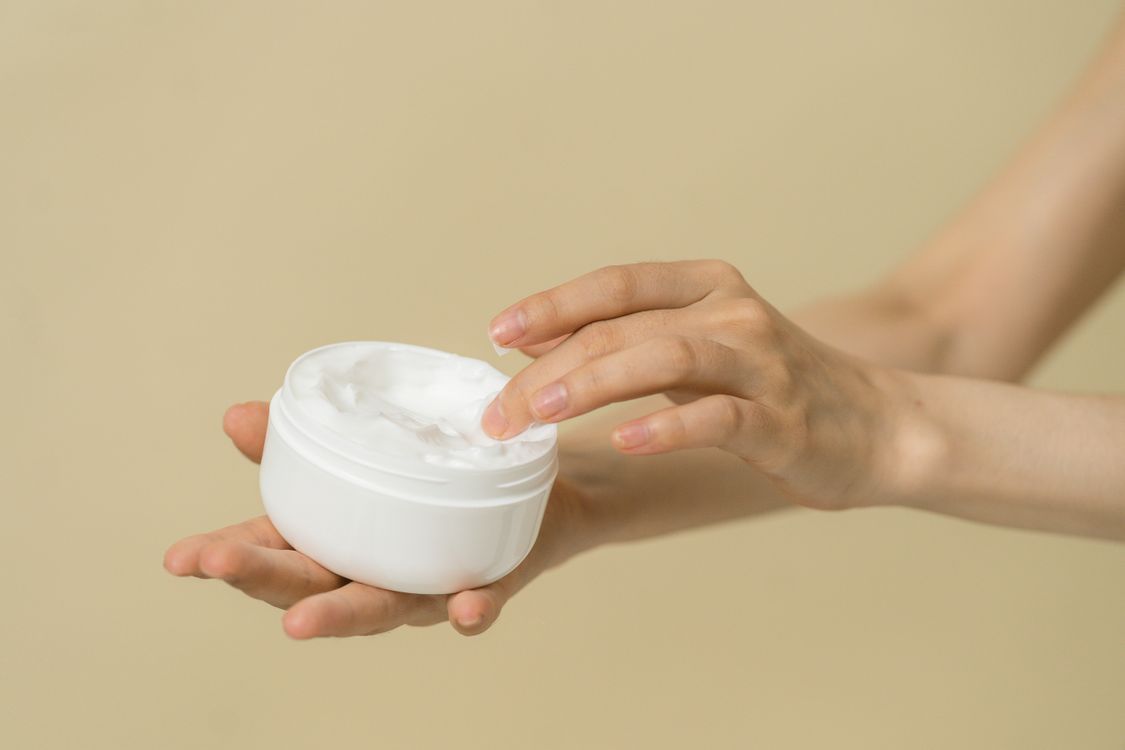
Warm a small amount of virgin coconut oil between your palms.
Massage gently onto the scalp in small circular motions, covering the scaly areas.
Let it sit for a limited time — a short period is enough for softening; there's no need to leave it on for hours.
Gently brush or comb to loosen and lift softened flakes — see our full removal guide for the gentle technique.
Wash thoroughly with a mild baby shampoo to remove all the oil.
Important Cautions
⚠️ Worth knowing before you try it
- Don't leave oil on overnight or for extended periods — pediatric dermatologists commonly caution that leaving oil on too long can trap it against the scalp and potentially clog pores, rather than helping.
- Use sparingly — a little goes a long way; a thin layer is enough.
- Patch test first if your baby has any known skin sensitivities, though true coconut oil allergies are uncommon.
- Always wash it out — the goal is to soften and remove, not to leave a permanent oil layer on the scalp.
Coconut Oil vs. Other Oils
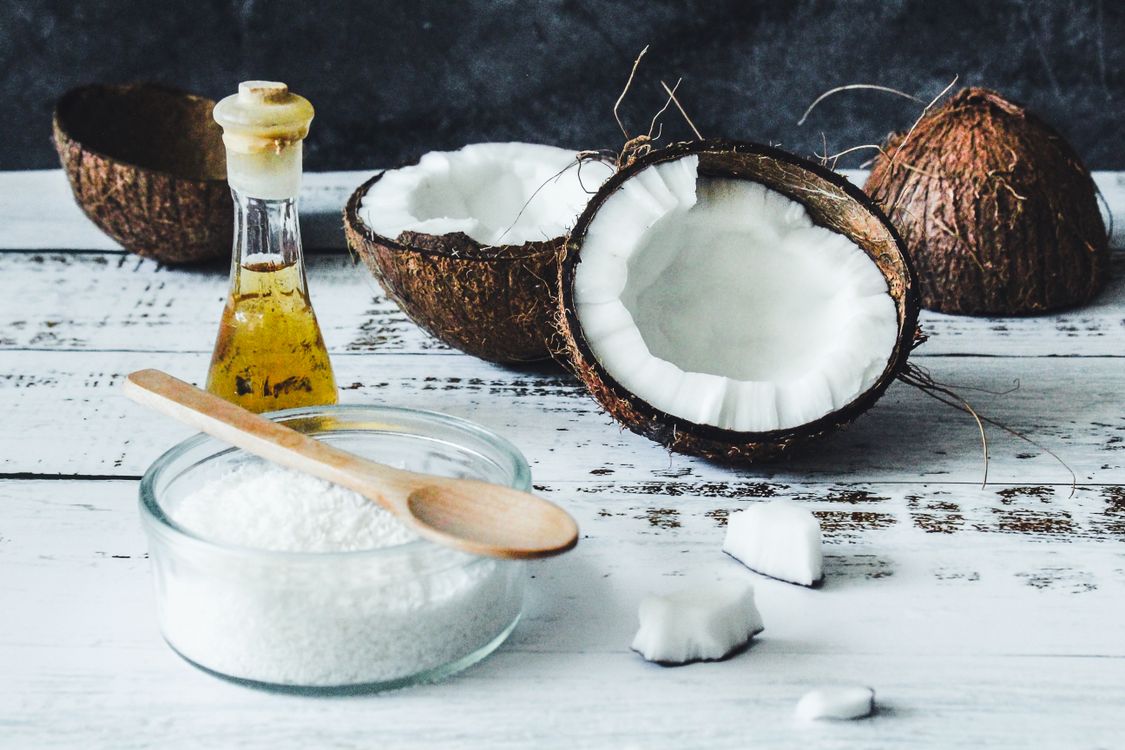
Mineral oil, olive oil, and sweet almond oil are also commonly used for the same softening purpose, and there's no strong evidence any one of them outperforms the others specifically for cradle cap. The main practical differences come down to scent, texture, and personal preference — coconut oil solidifies at cooler temperatures and has a mild natural scent, which some parents prefer over unscented mineral oil.
FAQ
Is coconut oil better than mineral oil for cradle cap?
Not proven to be — both work primarily by softening scales mechanically. The choice is largely personal preference rather than one being medically superior.
Can coconut oil make cradle cap worse?
Used correctly (sparingly, washed out afterward) it's generally considered safe. Leaving too much oil on for too long is the main way any oil, including coconut oil, could contribute to more buildup.
How long until I see results with coconut oil?
There's no reliably documented timeline specific to coconut oil. In general, cradle cap improves gradually over repeated gentle sessions rather than disappearing after one use, regardless of the oil chosen.