
4-Month Sleep Regression: Signs, How Long It Lasts & What to Do
Is your 4-month-old suddenly waking more often, taking shorter naps, or fighting sleep after previously sleeping well? The 4-month sleep regression is a common period of changing sleep patterns. Here's how to recognize the signs, how long it may last, and what you can try to make sleep easier.

What Is the 4-Month Sleep Regression?
The 4-month sleep regression is a period when a baby's sleep pattern may suddenly become more fragmented after previously becoming more predictable. Around this age, infant sleep is becoming more organized into cycles and stages, so babies may become more likely to briefly wake between sleep cycles.
That can look like a baby who used to sleep for longer stretches suddenly waking several times overnight, taking shorter naps, needing more help to fall back asleep, or becoming harder to settle at bedtime.
The word "regression" can be confusing. It does not mean your baby has permanently lost the ability to sleep well. It describes a noticeable change in sleep patterns that many families experience around this stage. The timing varies from baby to baby, so being a little earlier or later than 4 months does not automatically mean something is wrong.
Why the 4-Month Sleep Regression Is Different
Around 4 months, babies are going through important changes in sleep development. Their sleep becomes more organized into cycles, with transitions between different stages of sleep.
Those transitions can make brief awakenings more noticeable. A baby who previously moved through a longer stretch of sleep may now wake more fully between cycles and need help getting back to sleep.
This is why a routine that seemed to work well a few weeks ago can suddenly feel much less effective. It does not necessarily mean you have done anything wrong or that your baby's sleep has permanently become difficult.
4-Month Sleep Regression Signs: What to Look For
The clearest clue is usually a noticeable change from your baby's previous sleep pattern. One difficult night does not necessarily mean a regression. Look for several changes happening around the same period.
| Possible sign | What it may look like |
|---|---|
| More night waking | Your baby suddenly wakes more often after previously sleeping for longer stretches. |
| Shorter naps | Naps that used to last longer suddenly end after a relatively short sleep period. |
| Difficulty falling asleep | Your baby takes longer to settle, needs more help, or suddenly fights sleep. |
| More wake-ups between sleep cycles | Your baby may wake around the end of a sleep cycle and need help getting back to sleep. |
| More fussiness around sleep | Your baby becomes noticeably harder to settle for naps or bedtime. |
| A sudden change rather than a gradual one | Sleep was going relatively well, then became noticeably more difficult over a short period. |
Important: These signs can overlap with other causes of disrupted sleep. Hunger, illness, discomfort, changes in routine and developmental changes can also affect sleep. The goal is to look at the overall pattern rather than assuming every wake-up is a regression.
Why Is My 4-Month-Old Suddenly Waking More?
A sudden change in sleep around 4 months can have more than one explanation. The developmental changes happening at this age can make sleep transitions more noticeable, while your baby's changing sleep needs can also affect naps and bedtime.
- Sleep cycle changes. More noticeable transitions between sleep cycles can create more opportunities for your baby to wake fully instead of moving smoothly into the next cycle.
- Increased alertness. A more awake and engaged baby can become easier to stimulate, especially around naps and bedtime.
- Changing sleep needs. The sleep schedule that worked a few weeks ago may no longer fit your baby's current pattern perfectly.
- Sleep associations. If your baby normally falls asleep with a particular type of help, they may look for the same help when they briefly wake between sleep cycles.
- Other causes of waking. Hunger, illness, discomfort or environmental changes can also disrupt sleep, so age alone should not be used to diagnose a sleep regression.

What to Do During the 4-Month Sleep Regression
You do not need to completely rebuild your baby's sleep routine overnight. Start with a few consistent changes and watch how your baby responds.
- Keep the bedtime routine predictable. Use the same calming sequence each night so your baby gets consistent signals that sleep is coming.
- Watch your baby's sleepy cues. Yawning, staring off, rubbing eyes and reduced activity can help you recognize when your baby is ready for sleep.
- Put your baby down drowsy but awake when appropriate. This can give your baby practice falling asleep in the same environment where they will later wake between sleep cycles.
- Keep nighttime interactions calm and boring. Dim lighting, quiet voices and minimal stimulation can help reinforce the difference between nighttime and daytime.
- Recheck the schedule. Your baby's sleep needs are changing, so the wake windows and nap pattern that worked previously may no longer fit perfectly.
- Give changes some time. Avoid changing several things at once. Small, consistent adjustments make it easier to see what actually helps.
How Long Does the 4-Month Sleep Regression Last?
There is no exact number of days that every baby will follow. Some babies have a relatively short period of disrupted sleep, while others take several weeks to settle into their changing sleep pattern.
The timing varies from baby to baby, so there is no universal "4-month regression timeline." If your baby's sleep remains difficult, it can be useful to look at the overall pattern rather than assuming the regression itself is the only cause.
What to expect: There is no universal number of days that every baby will follow. Sleep may gradually become more predictable as your baby adjusts to their changing sleep pattern.
When to reassess: If sleep keeps deteriorating, your baby seems unwell, feeding changes significantly, or something simply doesn't feel right, talk with your pediatrician.
Is It Really the 4-Month Sleep Regression?
Age alone isn't enough to tell you what's happening. A 4-month-old who suddenly wakes more may be experiencing a normal developmental sleep change — but the same sleep pattern can also be affected by feeding, illness, discomfort, schedule changes or other factors.
Instead of asking only "Is this the 4-month sleep regression?", it can be more useful to look at the bigger picture: your baby's age, recent sleep changes, naps, nighttime waking and current sleep pattern.
Not sure what's changing?
Use our free Baby Sleep Change Calculator to get a clearer picture of where your baby may be in their current sleep stage.
Check Your Baby's Sleep Stage →Tools Parents Use During This Stage
These are common picks once baby starts rolling and sleep gets more active around this age.
 Rolling-Safe
SleepingBaby EverSoft Zipadee-Zip Transition Swaddle
An arms-free transition sleep wearable for babies moving beyond traditional swaddling as rolling begins.
Check Price on Amazon →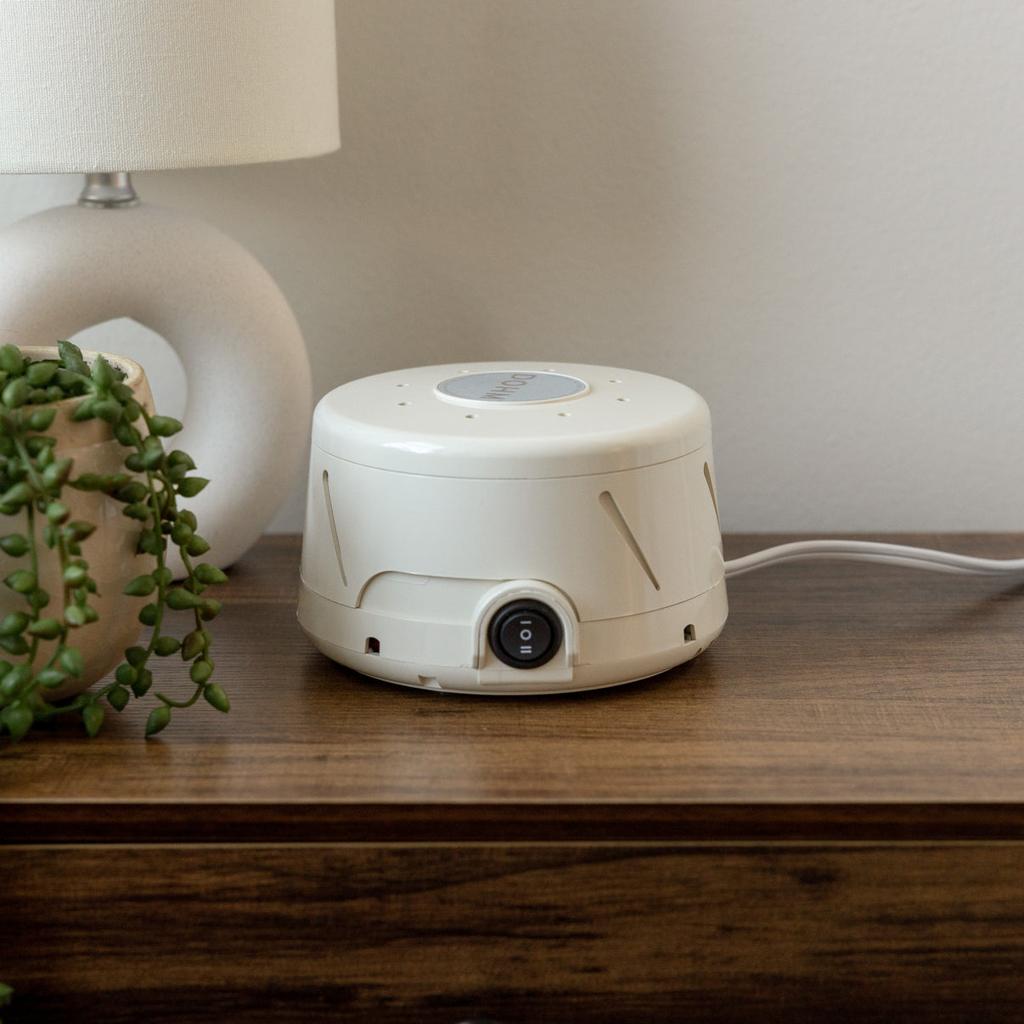 Sound
Sound
Yogasleep Dohm White Noise Machine
Provides consistent background sound that can help mask household noise during lighter sleep transitions.
Check Price on Amazon → Monitoring
VTech Video Baby Monitor
Useful for checking on a more active baby during naps and nighttime without immediately entering the room.
Check Price on Amazon →Most likely pattern: a noticeable change in sleep around this developmental stage, especially when more frequent waking, shorter naps and difficulty settling appear together.
First move: keep the bedtime routine predictable, review your baby's current sleep schedule and make small, consistent adjustments rather than changing everything at once.
Remember: not every sleep disruption at 4 months is a regression. Look at the whole pattern and consider other possible causes when needed.
4-Month Sleep Regression FAQ
What is the 4-month sleep regression?
It is a period when a baby's sleep pattern may suddenly become more fragmented around 4 months. Babies may wake more often, take shorter naps or have more difficulty settling as their sleep patterns mature.
What are the signs of the 4-month sleep regression?
Common signs include more frequent nighttime waking, shorter naps, difficulty falling asleep, increased fussiness around sleep and suddenly needing more help to settle.
How long does the 4-month sleep regression last?
There is no fixed timeline for every baby. Some disruptions are relatively brief, while others can last several weeks. The pattern varies from baby to baby.
Is the 4-month sleep regression permanent?
The sleep-development changes around this age are part of normal maturation, but the difficult period itself does not have to last forever. Sleep patterns often become more settled as babies adjust.
Why is my 4-month-old waking every 45 minutes?
Waking around the end of a sleep cycle can happen during this stage. If this is the main problem you're seeing, see our guide on why babies wake every 45 minutes .
Not sure what stage your baby is in?
Free Baby Sleep Calculator
Try It Free →✓ Takes ~2 minutes · ✓ No sign-up required
Quick tip: If naps and night sleep both became more difficult around the same time, look at the overall sleep pattern rather than assuming every wake-up is caused by one single issue.
Not sure if it's the regression or something else?
Answer a few quick questions and get a clearer picture of what may be changing in your baby's sleep right now.
Try the Free Baby Sleep Calculator →Further Reading
- American Academy of Pediatrics — HealthyChildren.org infant sleep guidance
- Cleveland Clinic — The 4-Month Sleep Regression: What Parents Need to Know