
6-Month Sleep Regression: Signs, Causes, How Long It Lasts & What to Do
Your 6-month-old was finally starting to sleep better — and suddenly, you're back to frequent night wakings, short naps, or a baby who fights bedtime. Here's what to look for, how long it may last, and what you can try.
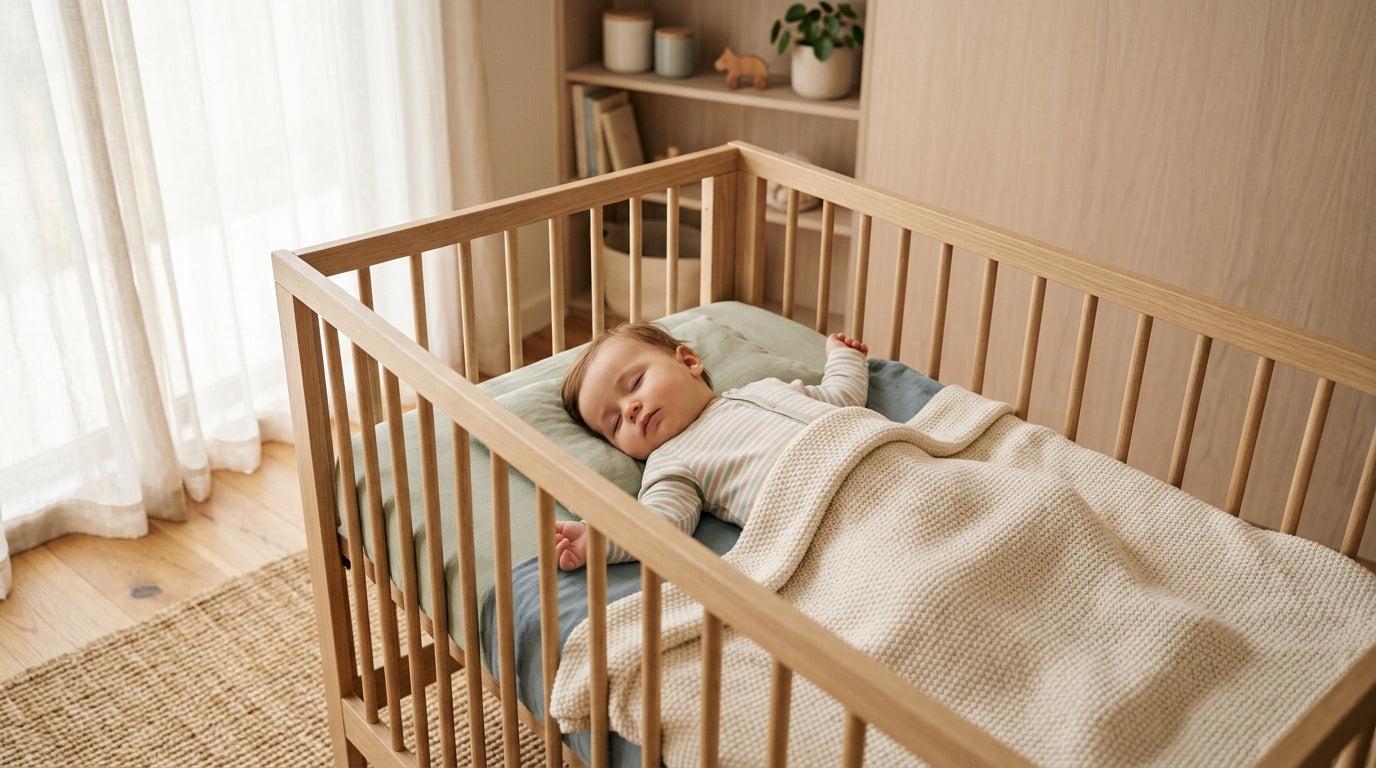
Is There a 6-Month Sleep Regression?
Yes, some babies experience a noticeable period of disrupted sleep around 6 months. However, it's important not to think of 6 months as a guaranteed "regression." Baby sleep varies significantly from one child to another — some babies may sleep better around this age, while others suddenly start waking more frequently or having trouble settling.
Around 6 months, babies are also becoming increasingly aware of their surroundings and developing new physical and cognitive skills, and these changes can affect sleep. So if your baby's sleep suddenly changes at 6 months, development may be part of the picture — but there may be other reasons too.
6-Month Sleep Regression Signs
The most common signs include:
- Waking more frequently during the night
- Having trouble falling asleep at bedtime
- Taking longer to settle after waking
- Becoming fussier or crying more around sleep
- Changes in daytime naps — taking longer naps while nighttime sleep decreases
- Suddenly needing more help to fall asleep
Not every baby will have all of these symptoms. One particularly frustrating pattern is when a baby who previously slept for several hours suddenly starts waking every couple of hours — or even more frequently. The important question is whether this is a temporary developmental change or whether something else is interfering with sleep.

Why Does the 6-Month Sleep Regression Happen?
There isn't one single cause. At around 6 months, babies are going through significant developmental changes — becoming more aware of sounds and surroundings, developing new motor skills, and becoming increasingly active and engaged with the world. Several factors may contribute to disrupted sleep.
Developmental Changes
Your baby may be learning to roll, sit, reach, grab, or become more physically active. New skills can make it harder for some babies to settle down or stay asleep.
Increased Awareness
A 6-month-old is generally much more aware of what's happening around them than a newborn. Sounds, light, movement, and changes in the sleep environment may become more distracting.
Changing Sleep Patterns
By around 6 months, babies are generally moving toward more consolidated nighttime sleep. The schedule that worked a few months ago may no longer fit perfectly.
Separation and Stimulation
Some babies become increasingly sensitive to being separated from their caregiver or become more easily stimulated before bedtime.
Teething, Illness or Other Discomfort
Not every bad night is a sleep regression. Teething, illness, hunger, or other discomfort can also disrupt sleep — it's useful to look at the whole pattern rather than assuming every waking is a regression.
Teething is easy to miss. Increased drooling, chewing on hands, or swollen gums alongside a sudden sleep change is worth checking before assuming it's purely developmental.
How Long Does the 6-Month Sleep Regression Last?
For many babies, a 6-month sleep regression is temporary and may last anywhere from several days to a few weeks. There isn't a precise number of days that applies to every baby. Some babies may settle back into their previous pattern relatively quickly, while others may continue having sleep difficulties for longer — particularly if the disruption coincides with changes to naps, bedtime routines, or other developmental changes.
If your baby's sleep has been difficult for several weeks, it's worth looking beyond the label "sleep regression" and considering whether another factor could be contributing.
What to Do During a 6-Month Sleep Regression
You don't necessarily need to completely overhaul your baby's sleep routine. In many cases, the goal is to make sleep predictable and give your baby consistent opportunities to settle.
Keep a Consistent Bedtime Routine
A predictable sequence signals bedtime is approaching — e.g. feed → diaper → pajamas → quiet activity → book → lights down → crib. The exact steps matter less than keeping it calm and consistent.
Keep the Sleep Environment Boring
Keep the room dark, minimize unnecessary noise, keep stimulation low, and avoid turning nighttime wake-ups into playtime.
Give Your Baby a Chance to Settle
Babies sometimes make sounds or briefly fuss between sleep cycles. You don't always have to intervene immediately — but respond if crying continues or baby clearly needs you.
Look at the Nap Pattern
Very long daytime naps with less night sleep may need attention — but cutting naps aggressively to "make the baby tired" can backfire. Look at the entire 24-hour pattern.
Don't Assume Every Wake-Up Is a Regression
Before labeling it a regression, check: hunger, illness, teething, a recent nap or bedtime change, an overstimulating room, or a new developmental skill being practiced.
Tools Parents Use During This Stage
These are common picks for the causes and tips above: teething, an overstimulating environment, and telling a regression apart from a schedule problem.
 Teething
Silicone Teether
For the teething discomfort that's easy to mistake for a pure sleep regression.
Check Price On Amazon→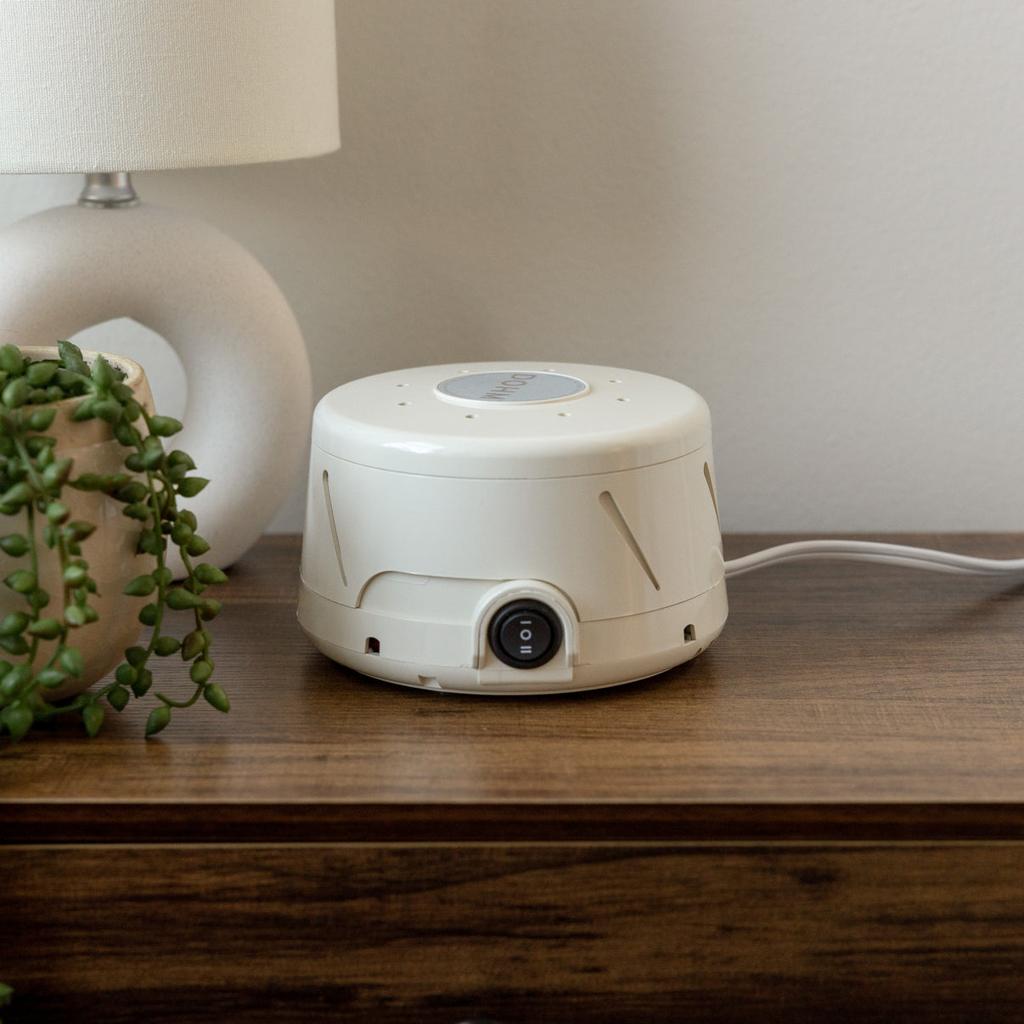 Environment
White Noise Machine
Helps keep the sleep environment "boring" as recommended above, for a baby who's more aware of sound and surroundings.
Check Price on Amazon→ Tracking
Sleep-Tracking Monitor
Makes it easier to see the whole 24-hour pattern — naps, night sleep, timing — to tell a regression apart from a schedule issue.
Check Price on Amazon→How Much Sleep Does a 6-Month-Old Need?
The recommended total sleep amount for infants around this age is generally 12–16 hours per 24 hours, including naps. But that number is a range, not a target every baby must hit exactly — sleep patterns can vary considerably between babies. Two healthy 6-month-olds may have very different combinations of nighttime sleep and daytime naps, which is why it's more useful to look at your baby's overall pattern, mood, and development rather than judging one night — or even one nap — by itself.
6-Month Sleep Regression vs. a Schedule Problem
Sometimes what looks like a regression is actually a sign that your baby's sleep schedule needs adjusting. This doesn't mean you can diagnose the cause from a sleep pattern alone — it simply gives you a better starting point than assuming "6 months = regression."
| What you're seeing | What it might suggest |
|---|---|
| Suddenly waking much more often | Developmental change or temporary disruption |
| Fighting bedtime | Schedule or developmental changes |
| Long daytime naps + less nighttime sleep | Day/night sleep balance may need attention |
| Short naps + very fussy baby | Baby may be struggling with sleep timing |
| Frequent waking + signs of illness | Possible illness/discomfort |
| New waking after learning a new skill | Developmental change |
| Sleep disruption lasting for weeks | Worth reassessing the underlying cause |
What If My 6-Month-Old Suddenly Wakes Every 1–2 Hours?
This is one of the situations that makes parents search for a 6-month sleep regression in the first place. If your baby suddenly begins waking every 1–2 hours after previously sleeping longer stretches, look at when the change started and what else changed at the same time. Ask yourself:
- Did it happen alongside a developmental milestone?
- Did naps change recently?
- Did bedtime change recently?
- Is your baby showing signs of discomfort or illness?
- Can your baby sometimes settle without being fully assisted back to sleep?
There isn't one universal solution — the best approach depends on what is actually causing the disruption.
Most likely cause: a combination of developmental change, increased awareness, and a maturing sleep pattern — not one single trigger.
First move: rule out teething, illness, and recent schedule changes before assuming it's purely a regression.
When Should You Talk to Your Baby's Doctor?
Most temporary changes in infant sleep don't require medical treatment. However, talk with your pediatrician if sleep problems are accompanied by concerning symptoms such as:
- Poor feeding
- Problems with weight gain or growth
- Fewer wet diapers
- Difficulty breathing
- Significant or persistent illness
- Other symptoms that concern you
Sleep Foundation specifically recommends discussing sleep problems with a doctor when they occur alongside issues like poor growth, reduced feeding or urination, or abnormal breathing. And if you're simply worried about your baby's sleep, it's completely reasonable to bring the question up at a routine pediatric visit.
The Bottom Line
A 6-month sleep regression is possible, but it doesn't happen to every baby. At this age, babies are going through major developmental changes and their sleep is becoming more consolidated — which can sometimes lead to more night waking, bedtime resistance, nap changes, or difficulty settling. The good news is that these disruptions are often temporary.
Instead of trying to find one magic fix, start by looking at the bigger picture: sleep pattern → naps → bedtime routine → developmental changes → possible discomfort. And remember: your baby doesn't have to follow the exact sleep timeline of another 6-month-old.
Quick FAQ
Is there really a 6-month sleep regression?
Some babies experience a period of disrupted sleep around 6 months, but not every baby does. Sleep development varies considerably between infants.
How long does the 6-month sleep regression last?
It often lasts several days to a few weeks, although the exact duration varies from baby to baby.
What are the signs of a 6-month sleep regression?
Common signs include more nighttime waking, difficulty falling asleep, increased fussiness around sleep, changes in naps, and difficulty returning to sleep after waking.
Can a 6-month-old suddenly stop sleeping through the night?
Yes. Sleep patterns can change even after a baby has started sleeping for longer stretches. Not all babies sleep through the night at 6 months, and sleep development varies considerably.
Should I change my baby's sleep schedule during a regression?
Not necessarily. Before making major changes, look at your baby's complete 24-hour sleep pattern and whether anything else — such as developmental changes, illness, teething, or a recent routine change — could be affecting sleep.

Not sure if this is a regression or something else?
Free Baby Sleep Calculator
Try It Free →✓ Takes ~2 minutes · ✓ No sign-up required
Quick tip: If wakings are paired with drooling or gum-chewing, rule out teething before assuming it's purely developmental.
Is your baby's sleep changing?
Use our Baby Sleep Change Calculator to help identify the type of sleep change that may fit your baby's age and current pattern.
Try the Free Baby Sleep Calculator →Further Reading
- Sleep Foundation — infant sleep and when to talk to a doctor, sleepfoundation.org
- American Academy of Pediatrics — infant sleep guidance, healthychildren.org