
Baby Suddenly Wakes Every 45 Minutes: What It Means & What to Try
If your baby went from sleeping in longer stretches to waking almost exactly 45 minutes after falling asleep — night after night — here's what's likely going on, and what to check first.

If you've searched "baby suddenly wakes every 45 minutes," you already know it's not just a rough night — it's a pattern. The good news: 45 minutes isn't random. It lines up almost exactly with one full infant sleep cycle, and once you know what's disrupting the reconnection between cycles, most families see real improvement within one to two weeks.
Why your baby may suddenly wake every 45 minutes
Babies cycle through sleep much faster than adults. At the end of each cycle they briefly surface toward wakefulness before — ideally — rolling into the next cycle on their own. When your baby was sleeping longer, they were connecting these cycles automatically. A sudden change usually means something has disrupted that ability, even temporarily.
What could be happening at this stage
| Possible cause | How to spot it |
|---|---|
| Developmental leap | New skills (rolling, sitting, babbling) showing up around the same time |
| Overtiredness | Wake windows haven't been adjusted in a while; short, choppy naps |
| Sleep association mismatch | Falls asleep held/fed, wakes up somewhere different (crib) |
| Nap-to-night mismatch | Daytime naps are also short and fragmented lately |
4 things to check
- Wake windows. The single most commonly overlooked factor — has it been a while since you checked whether awake time still matches your baby's current age?
- How they fall asleep at bedtime. Falling fully asleep in arms or at the breast/bottle, then being moved, is one of the biggest drivers of frequent wake-ups.
- Room environment. Light, noise, or temperature shifts between falling asleep and waking can fully rouse a light sleeper.
- Recent developmental changes. New physical or language skills often show up right alongside disrupted sleep.
A few tools that make these 4 checks easier
These are the tools most families reach for when working through the exact factors above.
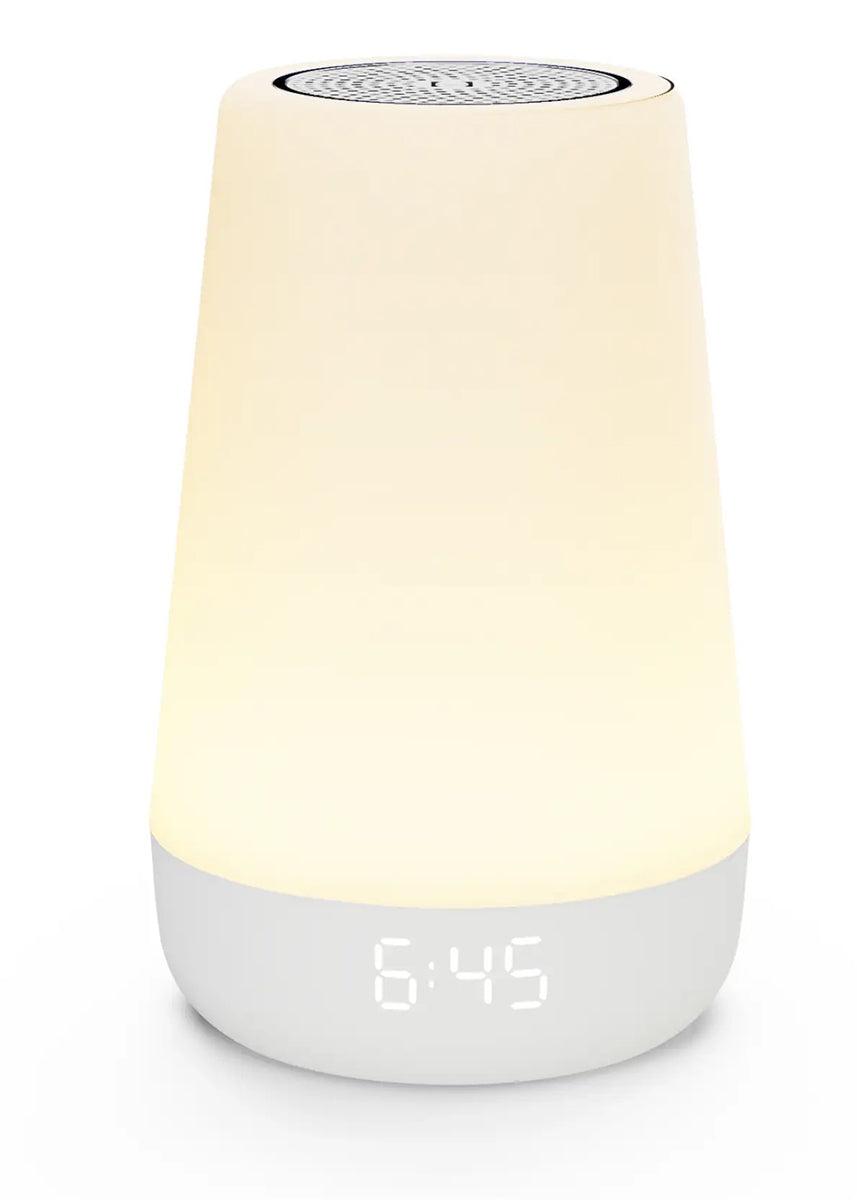 Room environment
Hatch Restore 2nd Gen
White noise, dim light, and a sunrise alarm — keeps the room consistent from bedtime to wake-up.
Check Price on Amazon → Confirm the pattern
VTech Video Baby Monitor
See what's really happening at the 45-minute mark — stirring vs. fully waking — before you change anything.
Check Price on Amazon → Bedtime association
Halo Sleepsack Wearable Blanket
A consistent sleep-only layer that cues bedtime and keeps temperature steady all night.
Check Price on Amazon →
Don't overhaul everything at once. Pick the one factor above that seems most likely for your baby and adjust just that for a few nights before changing anything else — it's the fastest way to actually tell what's working.
What to try tonight
If wake windows seem off, that's usually the highest-leverage place to start — even a 15–20 minute adjustment can make a noticeable difference within a few days. If bedtime routine looks like the likely culprit, try shifting just the last few minutes before your baby is fully asleep, rather than changing the whole routine at once.
When this pattern usually changes
For most babies this is temporary — anywhere from a few days to a few weeks depending on the cause. Sleep cycles also naturally lengthen with age, so part of this resolves on its own. Families who see the fastest improvement are usually the ones who identify the specific factor driving it, rather than guessing.
Most likely cause: disrupted sleep-cycle reconnection — from a developmental leap, overtiredness, or a sleep association mismatch.
First move: check wake windows before changing anything else.
Quick FAQ
Is waking every 45 minutes a sleep regression?
It can be, but not always — a regression is one possible cause among several (overtiredness and sleep associations are just as common). The pattern itself doesn't tell you which one it is.
Will this fix itself without me doing anything?
Sometimes, especially if it's tied to a short developmental leap. But if it's driven by wake windows or sleep associations, it usually needs a small adjustment to actually resolve.
How long should I expect this phase to last?
Typically a few days to a few weeks. If it's still happening after a month with no change, it's worth looking more closely at wake windows and sleep associations specifically.

Not sure what stage your baby is in?
Free Baby Sleep Calculator
Try It Free →✓ Takes ~2 minutes · ✓ No sign-up required
Quick tip: If wake-ups started within the last 1–2 weeks and naps got shorter too, check wake windows before anything else — it's the most common fix.
Not sure which factor is affecting your baby?
Answer a few quick questions and see what may be happening right now — and what to expect next.
Try the Free Baby Sleep Calculator →Further Reading
- American Academy of Pediatrics — infant sleep guidance, healthychildren.org
- Cleveland Clinic — infant sleep cycles overview, my.clevelandclinic.org