
8 Cradle Cap Myths Parents Still Believe
From "it means you're not washing enough" to "never touch the soft spot" — here's what's actually true, backed by pediatric sources.
Jump to a myth
- Myth 1: It's caused by poor hygiene
- Myth 2: It's contagious
- Myth 3: You can't wash over the soft spot
- Myth 4: It means your baby has an allergy
- Myth 5: You should pick the scales off
- Myth 6: It's caused by diet or vitamin deficiency
- Myth 7: Once it's gone, it's gone for good
- Myth 8: Only babies get it

"Cradle cap means you're not washing your baby's hair enough."
✅ FACTCradle cap has nothing to do with how often — or how little — you wash your baby's hair. It's driven by maternal hormones stimulating oil production and a naturally occurring yeast, not cleanliness. Some babies with a strict daily wash routine still develop it, while others with a lighter routine never do.
"Cradle cap is contagious — keep your baby away from others."
✅ FACTIt's not contagious in any way. You can't catch it from another baby, and your baby can't pass it to a sibling, cousin, or playmate. There's no need to isolate your baby or avoid playdates because of it.
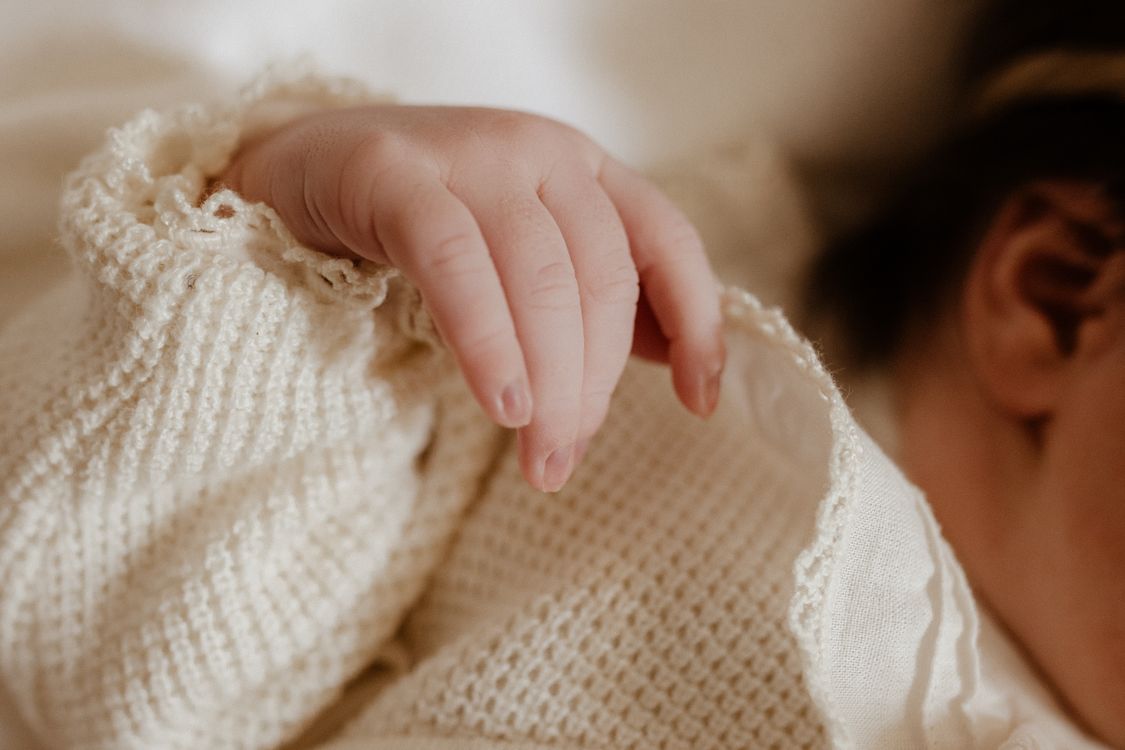
"You shouldn't wash or touch the area over the soft spot (fontanelle)."
 ✅ FACT
This is one of the most persistent fears new parents have, but the fontanelle is protected by a tough membrane, and gentle washing or brushing over it is safe. In fact, cradle cap frequently appears right around this area, so avoiding it entirely makes the condition harder to manage. Gentle is the key word — not avoidance.
"Cradle cap means my baby has an allergy or skin sensitivity."
✅ FACTCradle cap is not an allergic reaction. It's unrelated to food allergies, detergent sensitivities, or fabric reactions — those tend to cause different patterns of rash elsewhere on the body, not the characteristic scalp scaling of cradle cap.
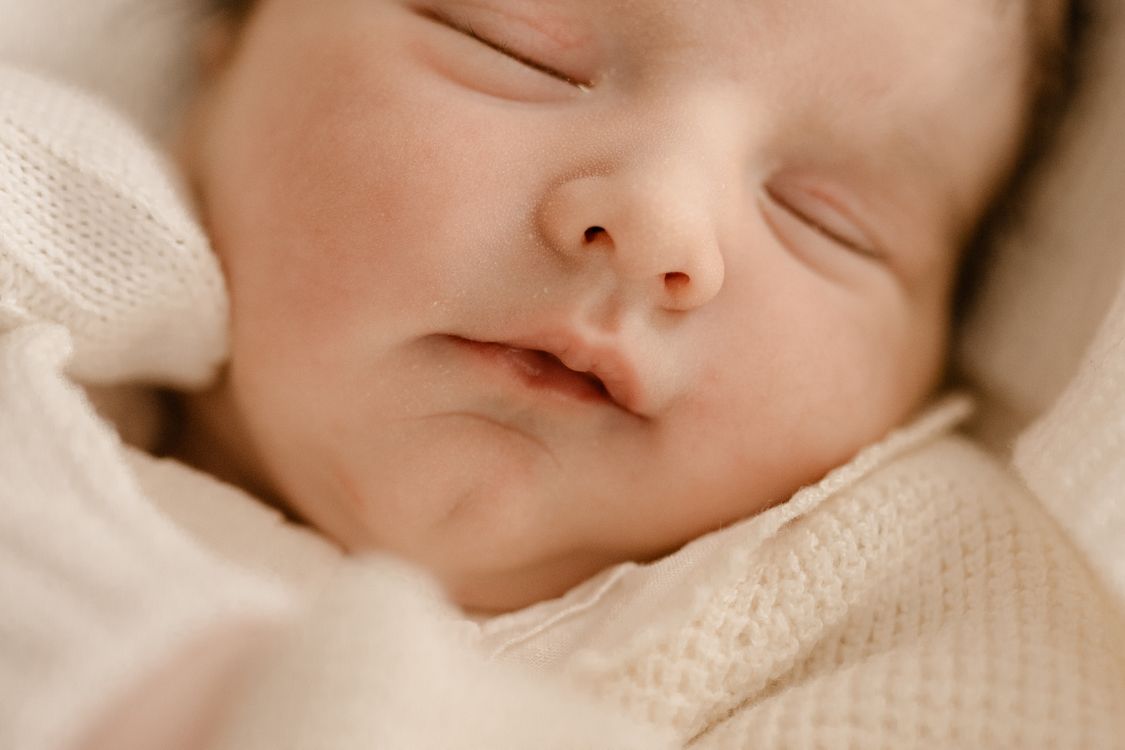
"The scales should be picked or scraped off as soon as they appear."
 ✅ FACT
This is actually the most common cause of irritation and temporary hair loss associated with cradle cap "treatment." Scales need to be softened first (with a little oil and gentle washing) before being gently loosened — picking at dry, unsoftened scales can injure the scalp. Our full removal guide covers the gentle technique in detail.
"It's caused by something in my diet or a vitamin deficiency."
✅ FACTThere's no established link between a mother's diet (while pregnant or breastfeeding) or a baby's vitamin levels and cradle cap. The leading explanation remains hormonal and yeast-related, not nutritional.
"Once you clear it up, it's gone for good."
✅ FACTIt's common for some scaling to return between gentle-care sessions until the underlying tendency resolves on its own — usually by 8 to 12 months. Beyond infancy, the same type of skin condition (seborrheic dermatitis) can resurface later in life as ordinary dandruff, particularly around puberty, though this isn't caused by how the original cradle cap was managed.
"Only babies get cradle cap."
✅ FACTThe infant version is called cradle cap, but the same underlying skin condition — seborrheic dermatitis — affects people at other ages too, just under different names (like dandruff, or seborrheic dermatitis on the face and body in adults).

The common thread: nearly every myth about cradle cap either blames the parent (hygiene, diet) or overstates the risk (contagious, dangerous to touch). In reality, it's a harmless, common condition that responds well to patient, gentle care — see our complete guide to cradle cap for the full picture.