
Why Do Your Nipples Hurt So Much in the First Week of Breastfeeding?
You wince every time your baby latches. A few days in, you notice your nipples are a little cracked, maybe even a tiny bit of blood. If this sounds like what you're going through right now, you're not alone — this is one of the most common things new moms experience in the first week.
Why This Happens
In the first week, your nipples simply aren't used to the repeated suction of regular feeding yet, and you and your baby are both still learning how to get a good, deep latch. That combination is why soreness — and sometimes light cracking — is so common early on. The good news: for most moms, this improves noticeably within 1–2 weeks as latch technique settles in and skin adjusts.
- Don't just push through the pain assuming "this is normal for everyone" — a shallow latch is the most common cause of pain that lingers, and it's fixable.
- Don't let your nipples stay completely dry between feeds if they're already cracked — a little extra care goes a long way here.
- Rub a few drops of your own breast milk onto your nipples after each feed and let it air-dry before covering up.
- Switch up your nursing position from feed to feed so the same spot isn't taking all the pressure every time.
- If it's available to you, ask a lactation consultant to just watch one feed — a small latch adjustment often makes a bigger difference than any product.
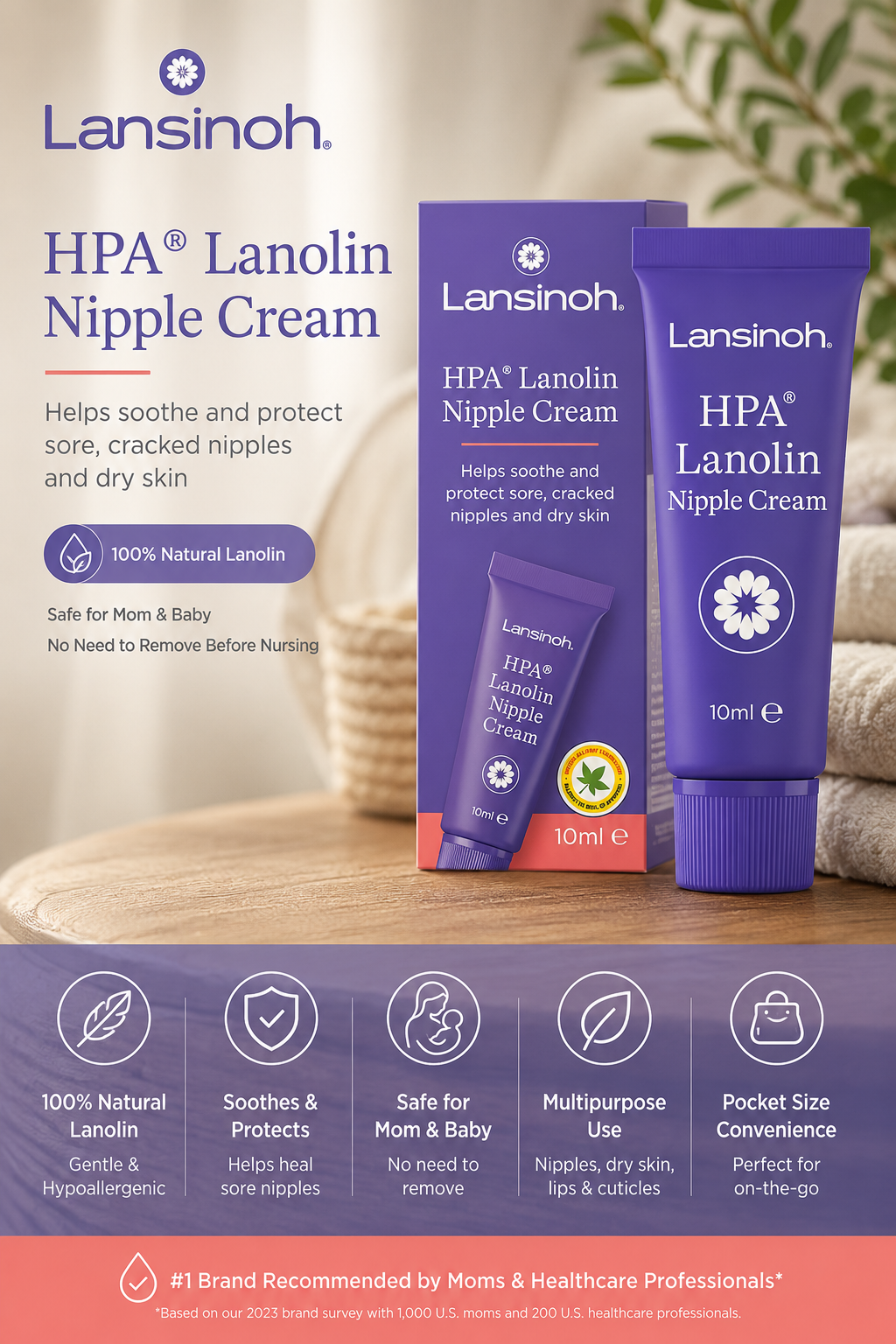
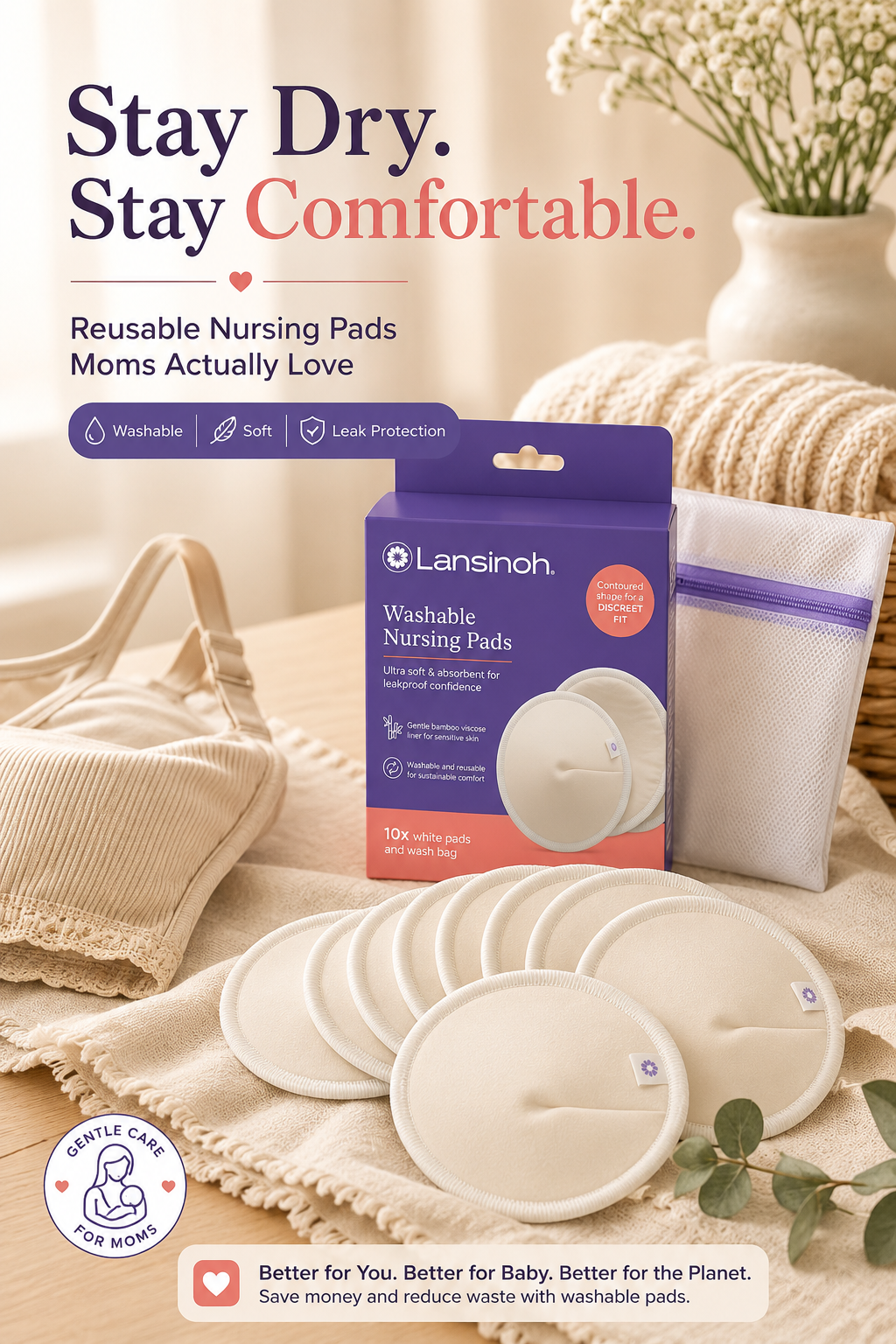
If those help but you still want extra relief between feeds, this is where a lot of moms turn next: Lansinoh HPA Lanolin is the most widely used option — a purified lanolin that's safe to leave on without wiping off before the next feed. For more of an instant-cooling feel in the moment, some moms prefer Lansinoh Soothies Gel Pads, chilled in the fridge beforehand.